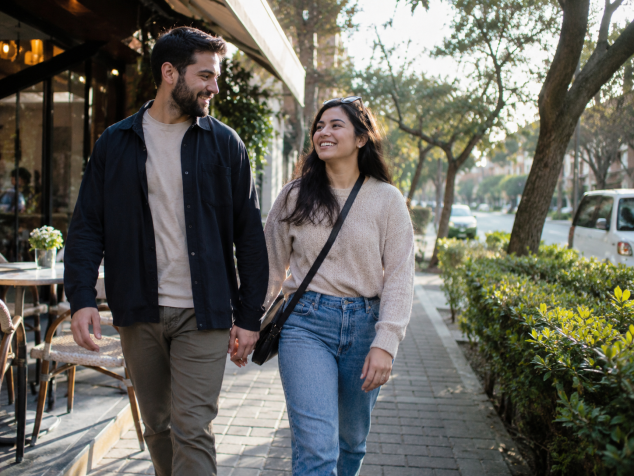
A 10-minute walk after eating could do more for your health than you might expect. It’s a simple way to help manage blood sugar and squeeze a little more movement into your day.
Ten minutes is roughly the amount of time I could lose scrolling through my phone after dinner without even noticing. The idea that those same ten minutes could contribute to better metabolic health makes walking after eating a particularly appealing fitness habit. Research suggests that a 10-minute walk after eating can help reduce the rise in blood sugar that naturally occurs following a meal, while increasing daily physical activity. What I find especially interesting is how little preparation this requires. There's no equipment to buy or workout to schedule around an already busy day. For anyone who spends hours sitting at a desk or struggles to find time for regular exercise, post-meal walking offers a surprisingly manageable starting point. Even people who already exercise regularly could benefit from paying closer attention to how much they move throughout the rest of their day.
The connection between walking after meals and blood sugar comes down to how our muscles use energy. When carbohydrates are digested, glucose enters the bloodstream, prompting the body to release insulin. During physical activity, skeletal muscle contractions stimulate glucose uptake through a pathway that can work independently of insulin. Exercise can also temporarily improve insulin sensitivity, helping muscle cells respond more effectively to available insulin. A 2016 randomized crossover study published in Diabetologia, involving 41 adults with type 2 diabetes, found that walking for 10 minutes after each main meal reduced overall post-meal blood glucose responses by 12% compared with a single daily 30-minute walk. The reduction following dinner was particularly impressive at 22%. Research involving people without diabetes has also produced encouraging findings. A small 2025 study published in Scientific Reports found that healthy young adults who walked for 10 minutes immediately after consuming a glucose drink experienced a reduced blood sugar response. Although these findings support the short-term metabolic benefits of walking, further research is needed to establish how much this specific habit contributes to long-term improvements in insulin sensitivity and disease prevention.
So, when is the best time to walk after eating? Starting shortly after finishing a meal appears to be particularly effective for managing postprandial glucose, the scientific term for blood sugar following food consumption. A 2023 systematic review and meta-analysis published in Sports Medicine examined eight randomized crossover trials involving people with and without type 2 diabetes. The findings favoured physical activity performed soon after eating, although the relatively small studies had methodological limitations. Waiting 15 to 30 minutes is also a reasonable option, particularly if you've eaten a large meal or feel uncomfortably full. A separate study published in Diabetes Care found metabolic benefits from 15-minute walks beginning 30 minutes after meals in older adults at risk of impaired glucose tolerance. I find the benefits of walking after dinner especially compelling because the evening is when many of us settle onto the couch for several uninterrupted hours. Taking a quick walk before getting comfortable seems like a sensible adjustment to an otherwise sedentary evening.
As for how fast you should walk after eating, I'd favour a comfortable, purposeful pace. Gentle walking is a perfectly reasonable starting point, and research suggests that even light-intensity activity can improve post-meal glucose responses compared with prolonged sitting. If you feel comfortable increasing your speed, moderate-intensity walking offers additional aerobic exercise benefits. The conversational talk test is a useful way to judge your effort. At a moderate pace, you should be able to hold a conversation comfortably, although singing would become difficult. Vigorous exercise immediately after a substantial meal can increase the likelihood of nausea, reflux or abdominal discomfort, so I'd save demanding workouts for later. There's little appeal in turning a pleasant after-dinner stroll into a race against your digestive system. People taking insulin or certain other glucose-lowering medications should also discuss exercise timing and blood sugar monitoring with their healthcare provider, as physical activity can increase the risk of hypoglycemia.
How long should you walk after eating, and how often should you do it? My preferred approach would be to start with a 10-minute walk after dinner and gradually work towards walking after each main meal. A short morning walk could fit in before starting work, followed by another during a lunch break. The evening walk would bring the daily total to 30 minutes. Over an entire week, that adds up to 210 minutes of physical activity. If performed at a moderate intensity, those walks would exceed the recommended minimum of 150 minutes of weekly aerobic activity for adults. Spreading walking throughout the day may offer an advantage for post-meal blood sugar management because the muscles become active during multiple periods of rising glucose. A continuous 30-minute walk remains an excellent option for general cardiovascular fitness and can also help manage blood sugar, particularly when appropriately timed. Beginners who find 10 minutes challenging could start with five minutes after their largest meal and gradually increase the duration as their fitness improves.
Beyond blood sugar management, the benefits of walking after meals may extend to digestive comfort and long-term cardiovascular health. Walking after eating for digestion is a popular recommendation, although the scientific evidence deserves some careful interpretation. A small 2008 study found that post-meal walking helped food leave the stomach more quickly, yet participants experienced no significant improvement in indigestion symptoms. Individual experiences will naturally vary. Regular walking has stronger evidence behind its broader cardiovascular benefits, and replacing extended periods of sitting with movement is a worthwhile health habit. Anyone considering walking after meals for weight loss should maintain realistic expectations, too. Short walks increase daily energy expenditure and may support weight management over time, depending on overall activity and dietary habits. I'd consider post-meal walking a valuable addition to a fitness routine that also includes resistance training and regular aerobic exercise. Its accessibility makes it particularly useful for people who are just beginning to become more active.
The biggest selling point for me is how easily post-meal walking can fit into ordinary life. A quick loop around the neighbourhood after dinner could become a regular part of the evening. During lunch breaks, walking around the office building is an easy way to spend less time at a desk. When Canadian winters leave the sidewalks looking more like skating rinks, walking indoors or using a walking pad can keep the habit going without unnecessary risks. I'd recommend attaching your walk to an existing routine, such as clearing the dinner table, so it becomes something you do almost automatically. There's no need to obsess over step counts or constantly monitor your progress. The research gives us good reason to believe that these small periods of movement are worthwhile, especially when practised consistently. Besides, ten minutes is a pretty modest amount of time to ask of yourself. Whatever you're planning to watch on Netflix will still be there when you get back.
Pros:
- Helps reduce post-meal blood sugar spikes.
- Encourages glucose uptake by the muscles and may improve insulin sensitivity.
- Requires as little as 10 minutes after each meal.
- Helps break up prolonged periods of sitting.
- May support digestive comfort for some individuals.
- Contributes to cardiovascular health and daily physical activity.
- May support long-term weight management.
- Requires no specialized equipment or gym membership.
- Easily adaptable to different fitness levels and daily schedules.
Cons:
- Walking too quickly after a large meal may cause digestive discomfort.
- Short walks alone may have a limited impact on weight loss.
- Weather conditions can interfere with outdoor walking routines.
- People taking certain diabetes medications may need to monitor their blood sugar.
- Research into the long-term benefits specific to post-meal walking remains limited.
Should complement a broader exercise routine that includes strength training.
Bottom Line:
I think walking after eating is one of the easiest health habits worth adopting. The research supporting its blood sugar benefits is convincing, and a 10-minute walk feels like a reasonable commitment, even on particularly busy days. I'd recommend starting with a comfortable walk after dinner and gradually incorporating walks after other meals whenever your schedule allows. The potential health benefits are well worth the small investment of time, especially when the habit becomes a consistent part of everyday life.
Tags:
walking after eating, benefits of walking after eating, 10 minute walk after eating, benefits of walking after meals, walking after dinner benefits, post-meal walking, walking after meals and blood sugar, best time to walk after eating